Abstract This thesis examines how the meanings of the past are constructed during digital memory work and how memory work contributes to negotiations of identities and group boundaries. I study this through an analysis of how graffiti writers use social media to remember collectively. The participants are graffiti writers who are no longer young. Using the internet, they share and discuss stories and photographs from their youth, reflecting on how graffiti has shaped their lives. In this process, they intertwine individual memories into collective memories and formulate arguments according to which graffiti is a valuable cultural heritage. The thesis offers cultural sociological insights into how digital memory work can maintain group cohesion over time. Additionally, it offers an understanding of how digital memory work can (re)negotiate the meanings of aging.
Graffiti is a subculture created by teenagers during the 1970s and 1980s; it is still associated with youth and crime. Like many other subcultures, graffiti expresses a symbolic rejection of the adult world and its demands. However, many graffiti writers have now reached middle age and are considering what it means to remain part of the culture. Their memory work largely revolves around exploring the paradox between being a responsible adult and celebrating the subversive lifestyle of their youth.
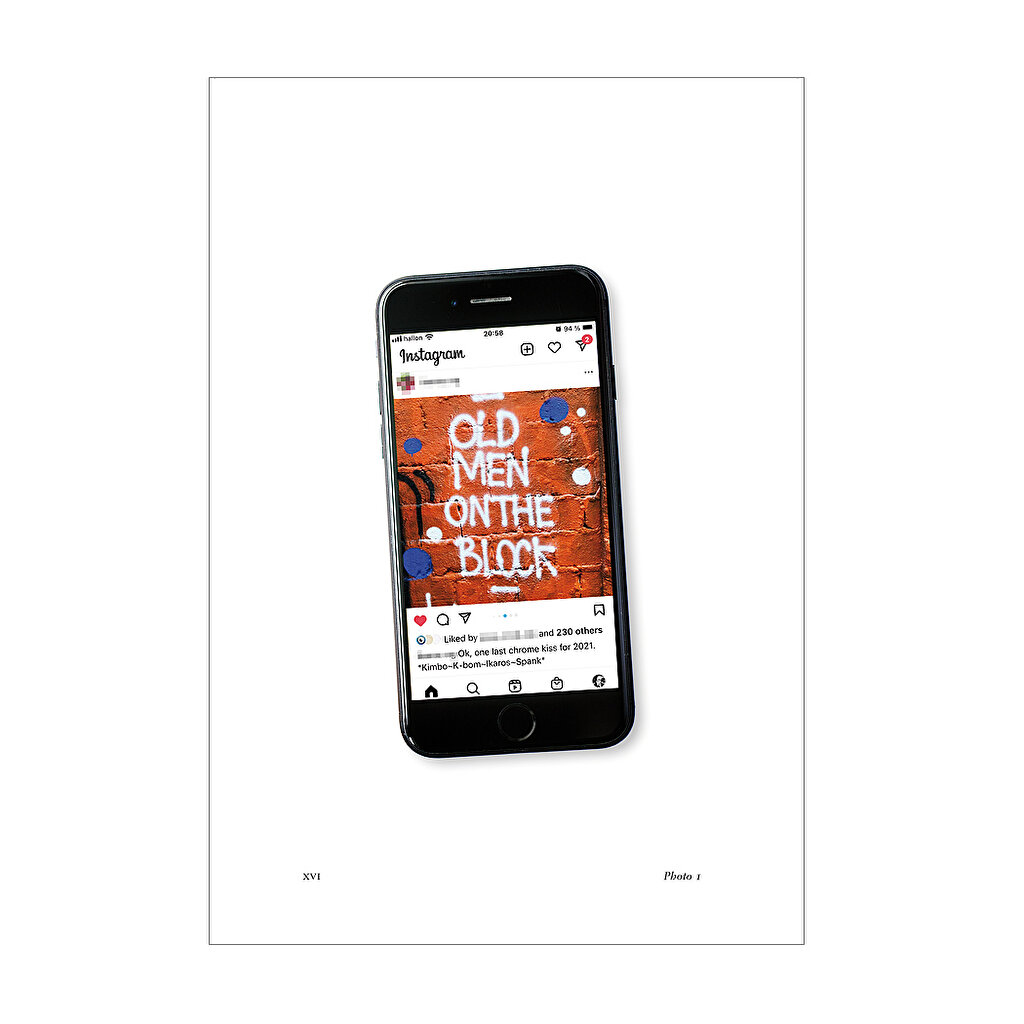
The primary material for this thesis consists of representations of memories gathered from the internet. I also use ethnographic methods to study interactions between graffiti writers both online and offline. Each of the thesis's three studies is based on a specific genre within social media. In Study I, I examine how biographies produced through podcasts formulate a shared history. In Study II, I explore how the writers use Facebook to collect and discuss photographs of graffiti from the 1980s and 1990s. In Study III, I investigate how ironic Instagram memes are used to represent aging bodies and lost youth.
In the thesis, I show that the different narrative conventions of digital media influence how the past is portrayed and allow it to be experienced in multiple ways. I also demonstrate that digital memory work fosters community by highlighting memories that emphasize similarities while overlooking conflicts within the group. At the same time, existing cultural ideals of youth and masculinity are reproduced.
Because graffiti is a practice that shapes identities and generates feelings of group belonging, I argue that digital memory work has become a new way of doing graffiti. Furthermore, I see this as an existential practice that negotiates the participants' sense of self and their way of being in the world. I conclude that memory work provides graffiti writers with means to accept the paradox of no longer being young in a youth culture.


 Deliveries everyday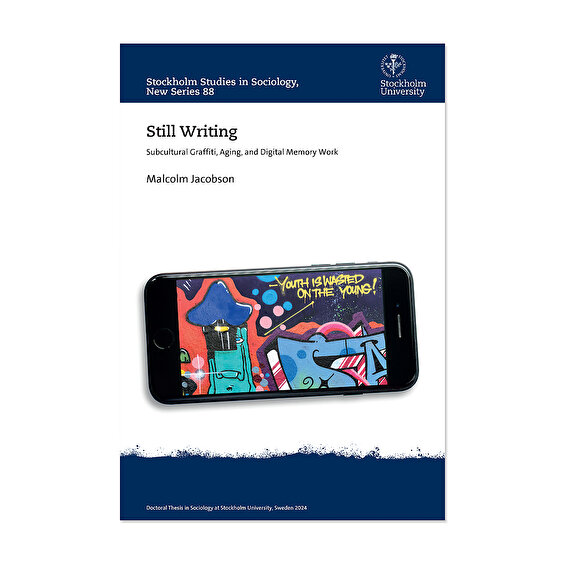













.png)



.png)
 Home
Home



.png)

.png)